
Protein Molecular Weight Markers

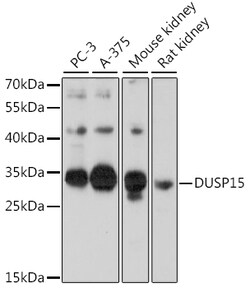
ABclonal Technology DUSP15 Rabbit pAb

The protein encoded by this gene has both protein-tyrosine phophatase activity and serine/threonine-specific phosphatase activity, and therefore is known as a dual specificity phosphatase. This protein may function in the differentiation of oligodendrocytes. Alternative splicing results in multiple transcript variants.


ABclonal Technology ASCC1 Rabbit pAb
This gene encodes a subunit of the activating signal cointegrator 1 (ASC-1) complex. The ASC-1 complex is a transcriptional coactivator that plays an important role in gene transactivation by multiple transcription factors including activating protein 1 (AP-1), nuclear factor kappa-B (NF-kB) and serum response factor (SRF). The encoded protein contains an N-terminal KH-type RNA-binding motif which is required for AP-1 transactivation by the ASC-1 complex. Mutations in this gene are associated with Barrett esophagus and esophageal adenocarcinoma. Alternatively spliced transcripts encoding multiple isoforms have been observed for this gene.
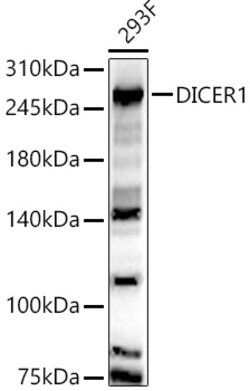
ABclonal Technology DICER1 Rabbit pAb
This gene encodes a protein possessing an RNA helicase motif containing a DEXH box in its amino terminus and an RNA motif in the carboxy terminus. The encoded protein functions as a ribonuclease and is required by the RNA interference and small temporal RNA (stRNA) pathways to produce the active small RNA component that represses gene expression. This protein also acts as a strong antiviral agent with activity against RNA viruses, including the Zika and SARS-CoV-2 viruses. Alternative splicing results in multiple transcript variants.
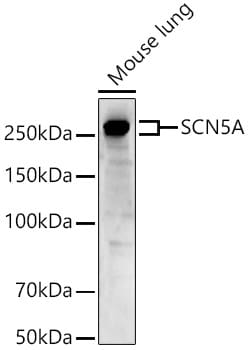
ABclonal Technology SCN5A Rabbit pAb
The protein encoded by this gene is an integral membrane protein and tetrodotoxin-resistant voltage-gated sodium channel subunit. This protein is found primarily in cardiac muscle and is responsible for the initial upstroke of the action potential in an electrocardiogram. Defects in this gene have been associated with long QT syndrome type 3 (LQT3), atrial fibrillation, cardiomyopathy, and Brugada syndrome 1, all autosomal dominant cardiac diseases. Alternative splicing results in several transcript variants encoding different isoforms.
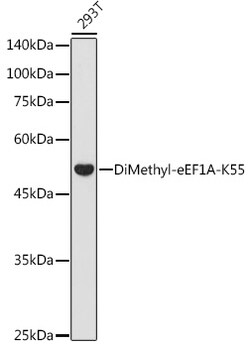
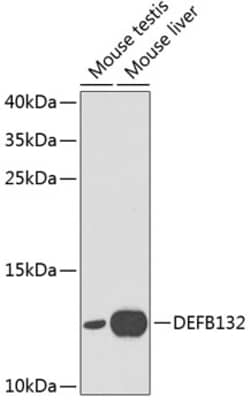
ABclonal Technology DEFB132 Rabbit pAb
Defensins are cysteine-rich cationic polypeptides that are important in the immunologic response to invading microorganisms. The protein encoded by this gene is secreted and is a member of the beta defensin protein family. This protein binds spermatozoa and has antimicrobial activity against E. coli. Beta defensin genes are found in several clusters throughout the genome, with this gene mapping to a cluster at 20p13.
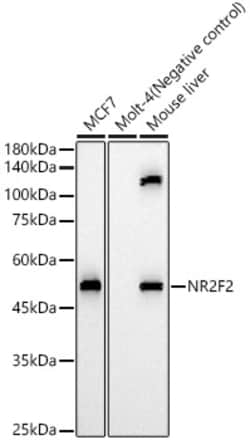
ABclonal Technology NR2F2 Rabbit pAb
This gene encodes a member of the steroid thyroid hormone superfamily of nuclear receptors. The encoded protein is a ligand inducible transcription factor that is involved in the regulation of many different genes. Alternate splicing results in multiple transcript variants.
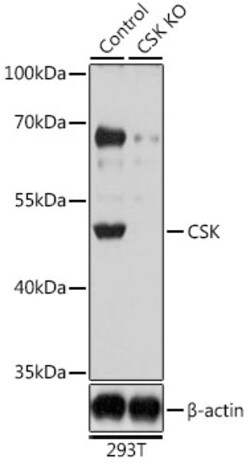
ABclonal Technology CSK Rabbit pAb
The protein encoded by this gene is involved in multiple pathways, including the regulation of Src family kinases. It plays an important role in T-cell activation through its association with the protein encoded by the protein tyrosine phosphatase, non-receptor type 22 (PTPN22) gene. This protein also phosphorylates C-terminal tyrosine residues on multiple substrates, including the protein encoded by the SRC proto-oncogene, non-receptor tyrosine kinase gene. Phosphorylation suppresses the kinase activity of the Src family tyrosine kinases. An intronic polymorphism (rs34933034) in this gene has been found to affect B-cell activation and is associated with systemic lupus erythematosus (SLE). Alternative splicing results in multiple transcript variants.
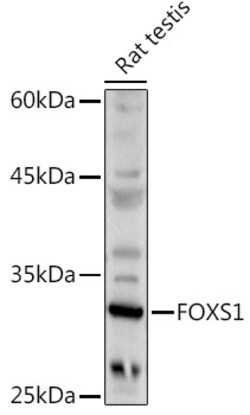
ABclonal Technology FOXS1 Rabbit pAb
The forkhead family of transcription factors belongs to the winged helix class of DNA-binding proteins. The protein encoded by this intronless gene contains a forkhead domain and is found predominantly in aorta and kidney. The function of the encoded protein is unknown.
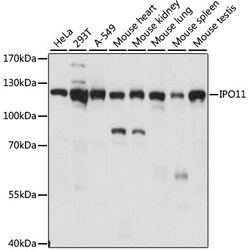
ABclonal Technology IPO11 Rabbit pAb
Importins, including IPO11, are a members of the karyopherin/importin-beta family of transport receptors (see KPNB1, 602738) that mediate nucleocytoplasmic transport of protein and RNA cargoes (Plafker and Macara, 2000 [PubMed 11032817]).
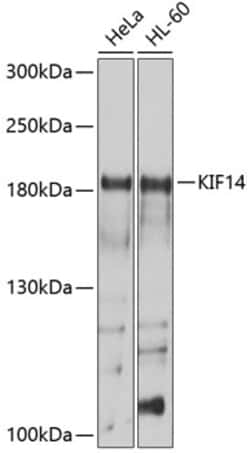
ABclonal Technology KIF14 Rabbit pAb
This gene encodes a member of the kinesin-3 superfamily of microtubule motor proteins. These proteins are involved in numerous processes including vesicle transport, chromosome segregation, mitotic spindle formation, and cytokinesis. In human HeLa-S3 and 293T cells, this protein is localized to the cytoplasm during interphase, to the spindle poles and spindle microtubules during mitosis, and to the midbody during cytokinesis. An internal motor domain displays microtubule-dependent ATPase activity, consistent with its function as a microtubule motor protein. Knockdown of this gene results in failed cytokinesis with endoreplication, which results in multinucleated cells. This gene has been identified as a likely oncogene in breast, lung and ovarian cancers, as well as retinoblastomas and gliomas. Alternative splicing results in multiple transcript variants.
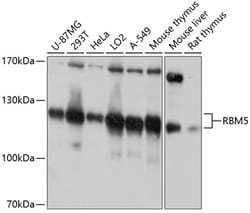
ABclonal Technology RBM5 Rabbit pAb
This gene is a candidate tumor suppressor gene which encodes a nuclear RNA binding protein that is a component of the spliceosome A complex. The encoded protein plays a role in the induction of cell cycle arrest and apoptosis through pre-mRNA splicing of multiple target genes including the tumor suppressor protein p53. This gene is located within the tumor suppressor region 3p21.3, and may play a role in the inhibition of tumor transformation and progression of several malignancies including lung cancer.
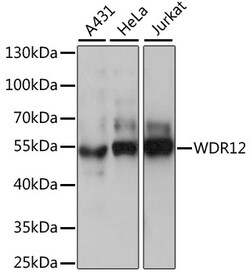
ABclonal Technology WDR12 Rabbit pAb
This gene encodes a member of the WD repeat protein family. WD repeats are minimally conserved regions of approximately 40 amino acids typically bracketed by gly-his and trp-asp (GH-WD), which may facilitate formation of heterotrimeric or multiprotein complexes. Members of this family are involved in a variety of cellular processes, including cell cycle progression, signal transduction, apoptosis, and gene regulation. This protein is highly similar to the mouse WD repeat domain 12 protein at the amino acid level. The protein encoded by this gene is a component of a nucleolar protein complex that affects maturation of the large ribosomal subunit.
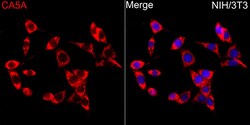
ABclonal Technology CA5A Rabbit pAb
Carbonic anhydrases (CAs) are a large family of zinc metalloenzymes that catalyze the reversible hydration of carbon dioxide. They participate in a variety of biological processes, including respiration, calcification, acid-base balance, bone resorption, and the formation of aqueous humor, cerebrospinal fluid, saliva, and gastric acid. They show extensive diversity in tissue distribution and in their subcellular localization. CA VA is localized in the mitochondria and expressed primarily in the liver. It may play an important role in ureagenesis and gluconeogenesis. CA5A gene maps to chromosome 16q24.3 and an unprocessed pseudogene has been assigned to 16p12-p11.2.
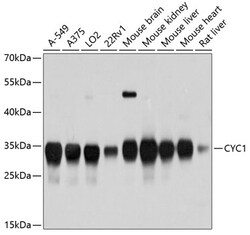
ABclonal Technology CYC1 Rabbit pAb
This gene encodes a subunit of the cytochrome bc1 complex, which plays an important role in the mitochondrial respiratory chain by transferring electrons from the Rieske iron-sulfur protein to cytochrome c. Mutations in this gene may cause mitochondrial complex III deficiency, nuclear type 6.